Beyond Boundaries Lecture Series 16 | Use AI to assist learning, not outsource thinking: Prof. Cecilia CHAN's lecture “AI-giarism and Assessment in the AI Era” draws a wide audience
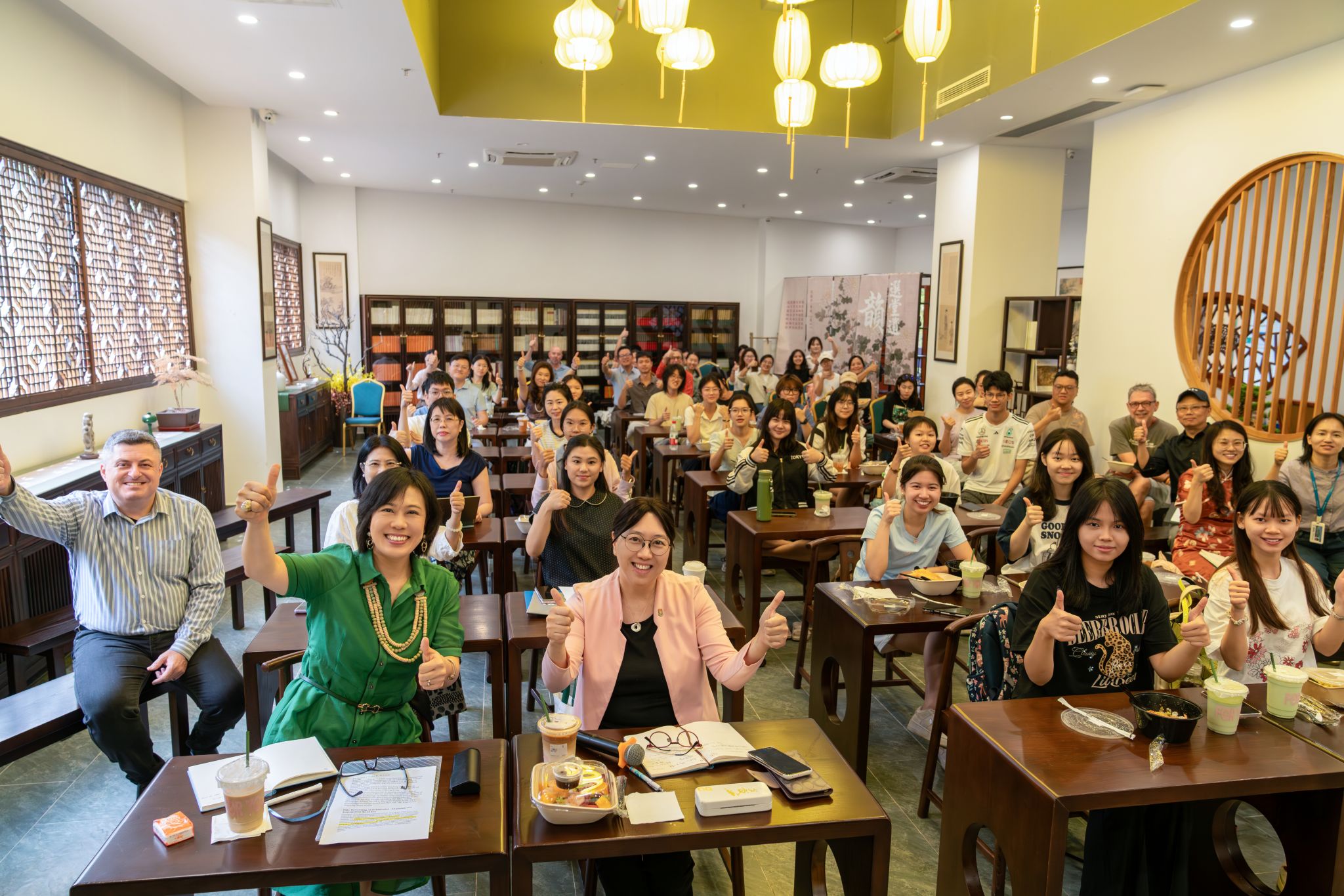
On 16 September, Professor Cecilia CHAN, Founding Director of the Teaching and Learning Innovation Centre (TALIC) at the University of Hong Kong, delivered a lecture “AI-giarism and Assessment in the AI Era” to the BNBU community. Focusing on how generative AI is reshaping academic integrity, learning, and assessment in higher education, the session attracted a strong turnout from across campus.
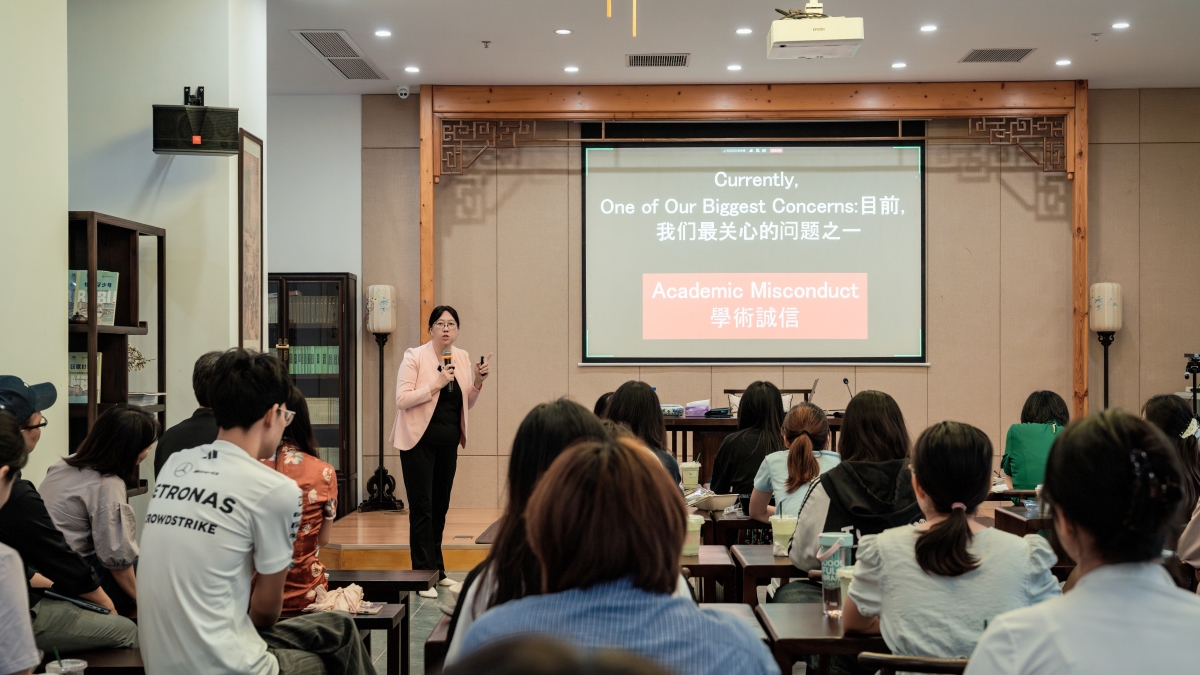
Professor CHAN began by introducing two concepts: "AI guilt" — the moral discomfort users feel when using AI for tasks they would normally do themselves, and "AI-giarism," a term for AI-assisted plagiarism. Drawing on cases from different disciplines, she showed that whether an act constitutes academic misconduct depends on the learning outcomes it serves.
The real issue, Professor CHAN argued, is not whether students use AI, but whether they outsource their thinking to it. So long as students use their own minds, AI can support cognitive learning without replacing the learning process itself. Her solutions are twofold. For students, she introduced the TACO framework — Think, Ask, Check, Own — to build a healthy human-AI collaboration in learning. For teachers, she called for a mindset shift in assessment design, aiming to enhance cognitive learning.
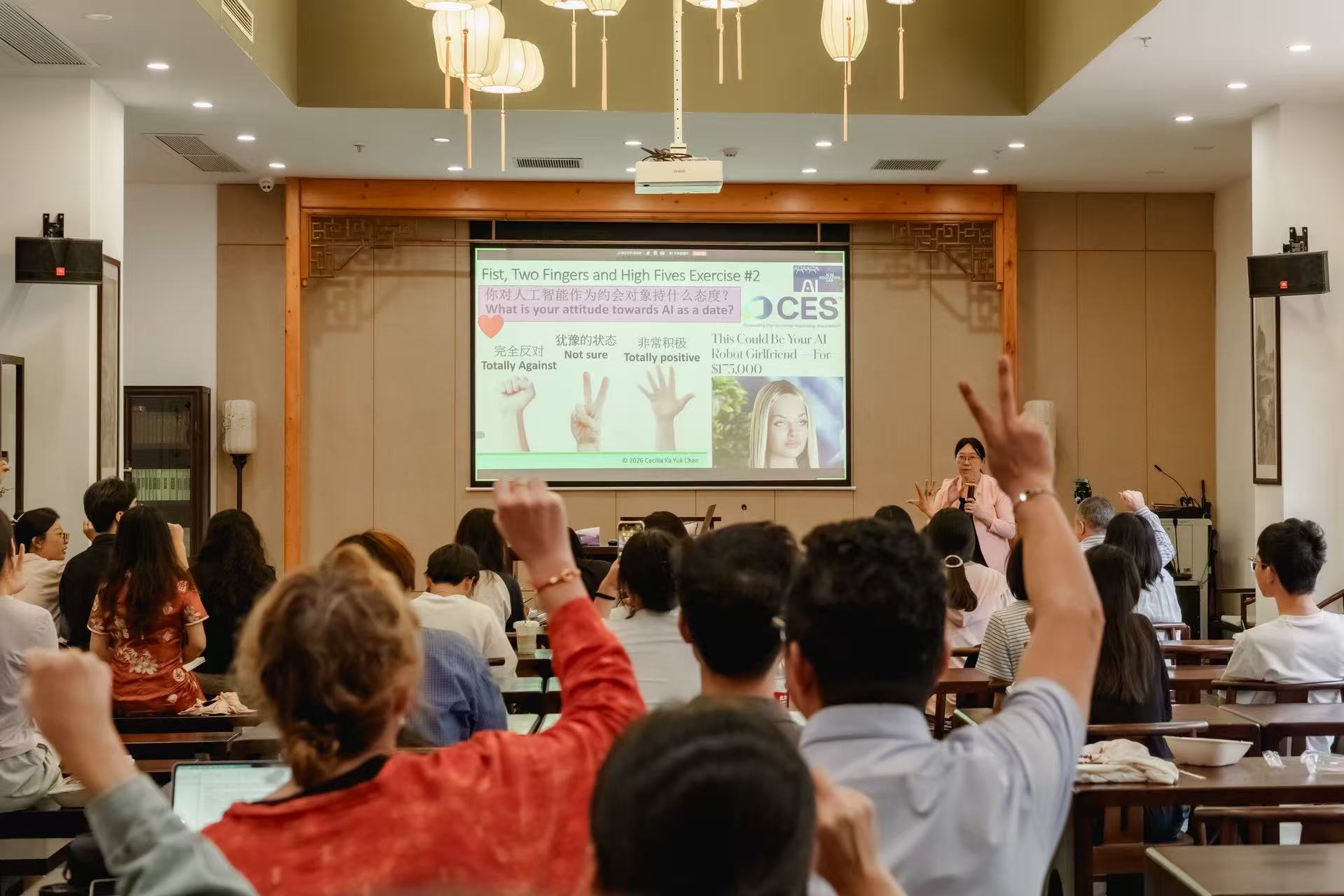
The lecture unfolds in a highly interactive atmosphere
She introduced the “Super TA” tool, an AI-resilient assessment design system that can generate assessments at different levels of difficulty and design teaching activities grounded in evidence-based pedagogy. She also presented a six-dimension AI literacy framework to foster responsible AI use. The lecture was highly interactive, with faculty and students actively exchanging experiences and insights on AI use.
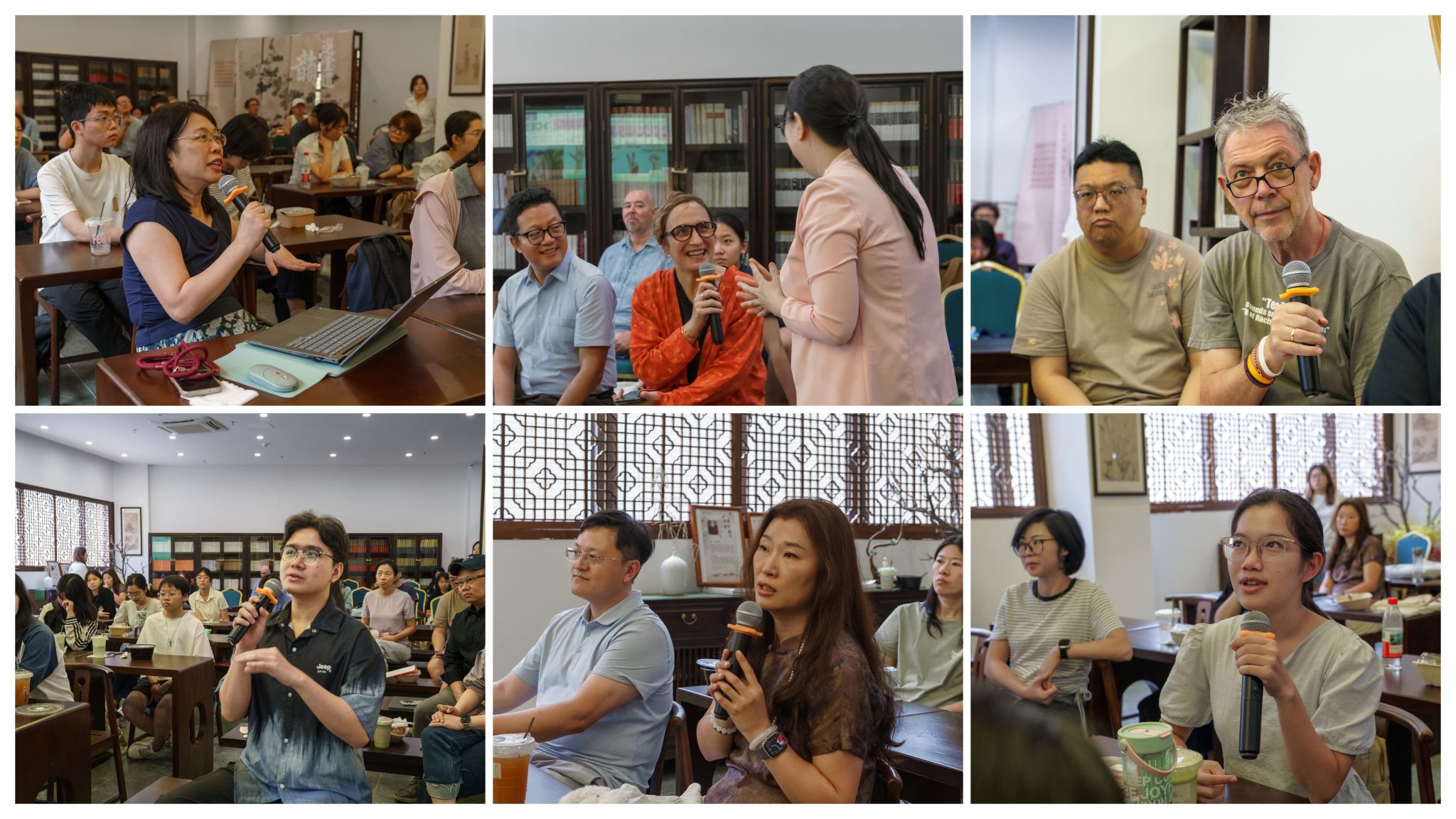
Participants actively joined the discussion
Launched in 2025, "Beyond Boundaries" Lecture Series brings together leading scholars and educators to encourage transdisciplinary exchange, and CTL pledges to continue supporting the BNBU Teaching and Learning community through this transition.
Last Updated: September 21, 2026