
火花碰撞,共创启航——CTL Spark Fund师生共创项目开题报告会圆满举行
2026年3月13日下午,CTL Spark Fund师生共创项目首次开题报告会在CC126举行。
火花初燃:从想法到行动
“Spark”——火花,微小却充满能量。正如其名,CTL Spark Fund旨在点燃师生共创的灵感之火,让课堂上的提问、课后的讨论、师生共同好奇的问题,转化为真正落地的教学创新实践。

“教育不是知识的单向传递,而是一个动态的共同创造过程。”活动伊始,周永明副校长(学术)向全体参与者表示欢迎,并介绍了Spark Fund的设立初衷——搭建师生协同创新的平台,让创意在碰撞中落地,让教学在研究中共生。
周永明副校长(学术)在致辞中回顾了项目征集情况:自启动以来,共收到29个项目提交申请。经过严格评审,五个项目脱颖而出,获得本年度资助。“CTL Spark Fund承载着我们对教育的期待——激发新想法,促成有意义的合作,让师生在共创中彼此成就。”

五个团队,五个“火花时刻”
随后,五个项目团队依次进行开题汇报,每个团队用10分钟的时间,围绕项目核心问题、创新解决方案、师生分工及预期成果等方面展开阐述。
人工智能驱动的三元教学平台的研发与教学实践
来自工商管理学院的胡辰光老师团队带来的项目聚焦课堂互动与课后支持的连续性难题。项目以教师专业知识、AI技术、同辈经验共同构成“三元”结构,旨在形成完整的教育学闭环。

可持续发展与活动创新:从材料替代到课程赋能
来自人文社科学院的胡帆老师团队关注校园活动中材料浪费的问题,计划使用蜂窝纸板等可回收材料替代传统的KT板,减少环境压力。
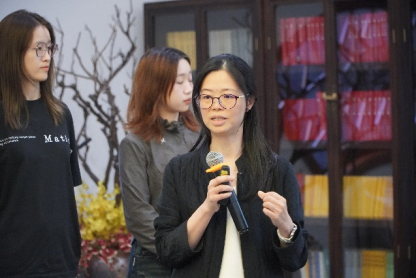
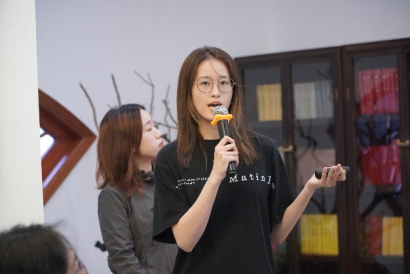
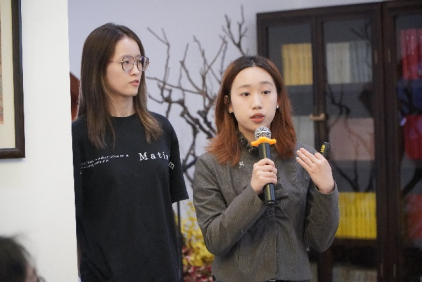
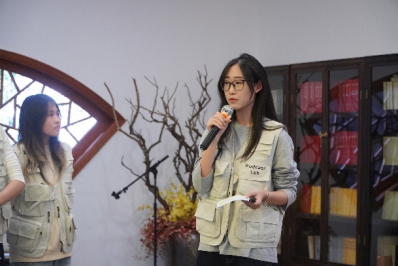
GBA Podcast Lab: Six Cities, One Mic
来自人文社科学院的Chally Chai Lee LIM老师团队尝试探索播客在大学教育中的潜力。项目计划制作六期播客,每期聚焦一个大湾区城市,内容涵盖文化、经济等多元面向。通过品牌建设与音频身份设计,团队希望提升播客的辨识度与听众体验,让声音成为教学的媒介。
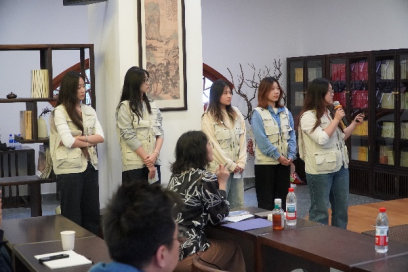

《文化创意管理》课程实战:珠海古村文化 IP 的数字转化师生共创案例研究
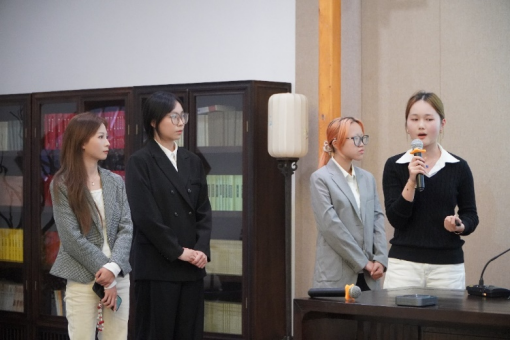
来自文化与创意学院的万婉琪老师该团队聚焦社区文化传播与教学实践的融合难题,计划借助AI与AR技术,将静态的非遗文化转化为可交互的现代文化体验。
学术英语课程智能体建设及融入教学
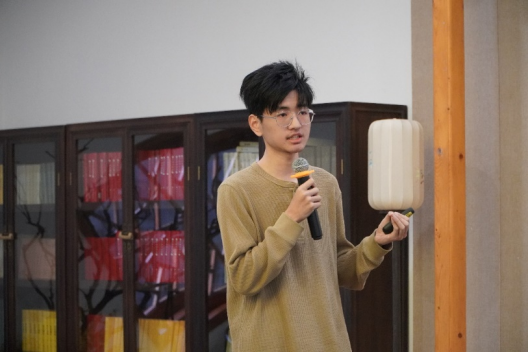
来自通识教育学院的马辉团队直面AI与传统教学脱节的挑战,计划通过多智能体协作系统提升学术英语教学的个性化水平,并实现教学效果的实时监测。
共创启程:期待更多火花绽放
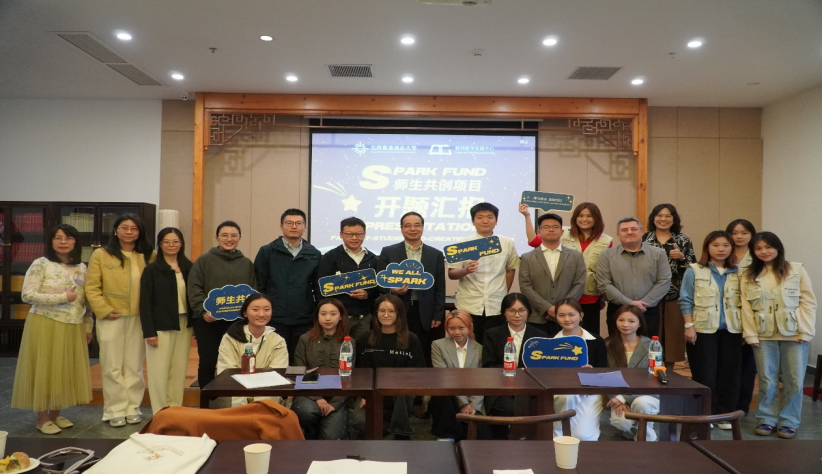
作为CTL Spark Fund的第一次开题会,本次活动不仅是项目团队的首秀,更是一次共同的出发。从这一刻起,五个项目将正式进入执行阶段,师生并肩同行,把灵感逐步转化为实践成果。
CTL教师教学发展中心将持续跟进各项目进展,并通过多种形式展示项目成果,推动教学创新经验的分享与传播。未来,也期待更多师生加入CTL Spark Fund的行列,让更多火花在BNBU的课堂上点燃、生长、绽放。
关于CTL Spark Fund
CTL Spark Fund师生共创项目由教师教学发展中心设立,旨在搭建师生协同创新平台,鼓励跨学科、跨院系合作,支持人工智能等新兴领域的教学探索,推动研究反哺教学、教学激发学习的良性循环。每个获资助项目将获得10,000元经费支持,周期为一年。
On the afternoon of March 13, 2026, the first CTL Spark Fund Faculty-Student Co-Creation Program Opening Presentation was held in CC126.
Sparks Ignite: From Ideas to Action
"Spark" — a small word, yet full of energy. True to its name, the CTL Spark Fund aims to ignite the flame of faculty-student co-creation, transforming questions raised in class, discussions after lectures, and shared curiosities between teachers and students into impactful teaching innovations that take root in practice at BNBU.
"Education is not simply a transmission of knowledge, but a dynamic process of co-creation." Professor Yongming ZHOU, Vice President (Academic) , welcomed all participants and introduced the founding vision of the CTL Spark Fund — to build a collaborative innovation platform where research informs teaching, teaching enriches learning, and both evolve together at BNBU
In his address, Professor Zhou reviewed the project review process: since its launch, a total of 29 project proposals were submitted. Following a rigorous review, five projects stood out and received funding for the year. "The CTL Spark Fund embodies our vision for education — to spark new ideas, foster meaningful collaboration, and enable faculty and students to grow together through co-creation."
Five Teams, Five Sparks
The five project teams then delivered their opening presentations, elaborating on their project's core issues, innovative solutions, faculty-student collaboration, and anticipated outcomes.
Research and Practice of an AI-Driven Ternary Teaching Platform
Led by Chenguang HU from the Faculty of Business and Management, this project addresses the challenge of maintaining continuity between classroom interaction and after-class support. The platform integrates faculty expertise, AI technology, and peer learning into a "ternary" structure, aiming to create a complete pedagogical cycle.
Sustainability and Event Innovation: From Material Substitution to Curriculum Empowerment
Led by Fan HU from the Faculty of Humanities and Social Sciences, this project tackles the issue of material waste in campus events. The team plans to replace traditional KT boards with recyclable materials such as honeycomb cardboard, reducing environmental impact.
GBA Podcast Lab: Six Cities, One Mic
Led by Chally Chai Lee LIM from the Faculty of Humanities and Social Sciences, this project explores the potential of podcasting in higher education. The team plans to produce six podcast episodes, each focusing on a city in the Greater Bay Area, covering cultural, economic, and other dimensions. Through branding and audio identity design, the project aims to enhance podcast recognition and listener experience, making voice a medium for teaching.
Cultural and Creative Management Course in Action: A Faculty-Student Co-Creation Case Study on the Digital Transformation of Zhuhai's Ancient Village Cultural IP
Led by Wanqi WAN from the School of Culture and Creativity, this project addresses the integration of community cultural dissemination and teaching practice. Leveraging AI and AR technologies, the team aims to transform static intangible cultural heritage into interactive modern cultural experiences.
Development of Academic English Course Agents and Their Integration into Teaching
Led by Hui MA from the School of General Education, this project confronts the disconnect between AI and traditional teaching. The team plans to use a multi-agent collaborative system to enhance personalization in academic English instruction and enable real-time monitoring of teaching effectiveness.
A New Chapter: Awaiting More Sparks to Bloom
As the first opening presentation, this event marked not only the debut of the project teams but also the beginning of a collective journey. From this moment forward, the five projects will officially enter the implementation phase, with faculty and students working side by side to turn inspiration into tangible outcomes.
The Centre for Teaching and Learning will continue to follow the progress of each project and showcase their achievements through various formats, promoting the sharing and dissemination of teaching innovation experiences. In the future, we look forward to more faculty and students joining the CTL Spark Fund, allowing more sparks to ignite, grow, and flourish in BNBU classrooms.
About the CTL Spark Fund
The CTL Spark Fund Faculty-Student Co-Creation Program is established by the Centre for Teaching and Learning to build a collaborative innovation platform for faculty and students. It encourages transdisciplinary and cross-faculty collaboration, supports teaching exploration in emerging fields such as artificial intelligence, and promotes a virtuous cycle where research informs teaching and teaching enhances learning. Each funded project receives a grant of RMB 10,000 with a project duration of one year.
Last Updated: March 16, 2026